
How to Build an Endurance Racing Strategy for Multiple Heats
August 4, 2026
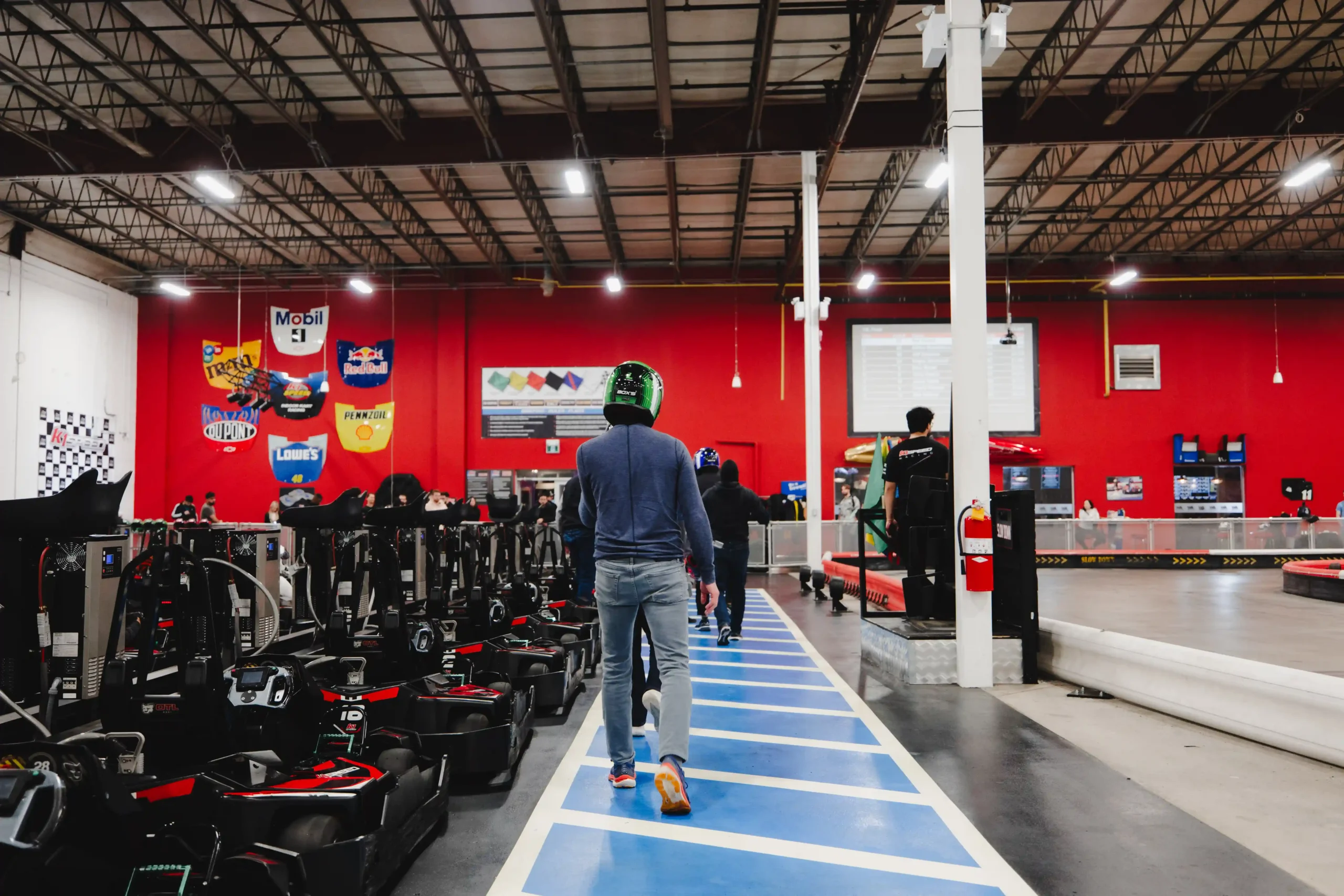
Winning across a full night of Challenge GP heats has less to do with one blazing lap and more to do with consistency, pacing, and recovery between races. Drivers who manage their effort across the whole session tend to out-place drivers who burn out chasing their fastest lap too early.
What Does Endurance Strategy Mean in Multi-Heat Karting?
Endurance strategy in this context isn't about a single long race the way traditional motorsport endurance events work. It's about how you manage your effort, focus, and physical energy across several heats in one Challenge GP night. Drivers who treat every heat like a one-off sprint often fade by the final round, while drivers who pace themselves tend to post more consistent results across the whole card.
How Should You Pace Yourself Across Several Heats?
The instinct in an early heat is to push for the fastest possible lap right away. A steadier approach works better across a full night: run controlled, clean laps in your first heat or two, and use them to read the track and other drivers rather than emptying the tank immediately. Save your sharpest, most aggressive driving for the heats that matter most, whether that's a qualifying round or the final.
What Racing Habits Help You Stay Consistent Late in a Session?
Consistency late in a multi-heat night comes down to clean, repeatable laps rather than one heroic effort. Smooth braking points and controlled cornering technique put less strain on your body and your focus than aggressive, inconsistent driving, which means your last heat can look almost as sharp as your first.
How Does Physical Recovery Factor Into a Multi-Heat Night?
Recovery between heats is part of the strategy, not a break from it. A few minutes to stretch, rehydrate, and let your heart rate settle keeps your neck, core, and grip strength from fatiguing heat over heat. Drivers who treat the gaps between races as recovery time consistently perform better in their later heats than drivers who spend that time standing around tense and distracted.
How Is This Different From Chasing a Single Fast Lap?
Chasing one fast lap is about maximum effort for a short burst, the kind of driving covered in our guide to racing like a champion. Endurance strategy across multiple heats is about sustaining that same sharpness over an entire night rather than peaking once and fading. Both skills matter, but they get trained and used differently.
Racing Smarter Across a Full Challenge GP Night
The drivers who consistently place well across a full Challenge GP night aren't always the ones with the single fastest lap. They're the ones who pace their effort, stay physically ready heat after heat, and keep their driving clean when fatigue starts to set in. Strategy across the whole night matters as much as speed in any one heat.
Ready to test your pacing across a full night of heats? Find your nearest K1 Speed location in Toronto, Mississauga, or Cambridge and sign up for Challenge GP.
Frequently Asked Questions
1. What is Challenge GP at K1 Speed?
Challenge GP is K1 Speed's structured competitive racing series, featuring multiple timed heats in one night rather than a single casual race. It's built for drivers who want a real competitive format beyond arrive-and-drive sessions.
2. Should I push my hardest in the first heat?
Not necessarily. Using early heats to read the track and settle into a rhythm often pays off more than emptying your effort right away, especially if the night includes a qualifying round or final where your best driving matters most.
3. How many heats does a typical Challenge GP night include?
This varies by night and location, so check with your local K1 Speed team when you register. The key strategy point is the same regardless of heat count: pace your effort so your last heat is as sharp as your first.
4. Does physical fatigue really affect later heats?
Yes. Repeated cornering forces across several heats place real load on your neck, core, and grip strength, and that fatigue shows up as inconsistency late in a session if you don't manage recovery between races.
5. Is endurance strategy only for experienced racers?
No. Any driver racing more than one heat in a night benefits from pacing and recovery, regardless of experience level. It's less about racing skill and more about managing your effort across the whole night.
Key Takeaways
- Endurance strategy in Challenge GP is about managing effort across several heats, not one long race.
- Steadier early heats often outperform an all-out effort right from the start.
- Clean, consistent braking and cornering reduce fatigue and keep late-heat laps sharp.
- Recovery between heats, including stretching and hydration, is part of the strategy.
- Pacing matters for any driver racing multiple heats, not just competitive veterans.
BLOG | CONTACT | FAQs | RULES | CAREERS | BOOK ONLINE | GIFT CARDS
© K1 SPEED, INC. ALL RIGHTS RESERVED